
A tale of two quarters
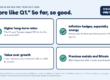
Our mid-year 2026 market outlook starts with a tale of two quarters. In Q1, bond yields, precious metals and energy prices all rose, with oil approaching $100 a barrel after attacks disrupted shipping through the Strait of Hormuz. Meanwhile the S&P 500 fell 4.3% and the Bloomberg U.S. Aggregate Bond Index finished roughly flat.
Q2 reversed much of that. The S&P 500 gained 15.2% in the quarter to finish the first half up 10.2%, and the Agg posted a modest gain. Energy prices gave back much of their Q1 spike, and precious metals and cryptocurrencies fell sharply. Gold had its worst quarter since 2013.

Stocks and bonds compete for the same dollar
We began the year with the S&P 500’s earnings yield at approximately 4%. The earnings yield is simply the inverse of the P/E ratio: how much a company earns for every dollar you pay for it. It matters now because it has traded below the yield on a 10-year U.S. Treasury note, which hadn’t happened since the early 2000s. On that measure, bonds are priced considerably cheaper than stocks.
We don’t love locking in 10-year Treasury yields in the mid-4% range. But these two asset classes compete for the same capital. When a government bond pays more than the stock market earns, stocks need strong earnings growth to justify their prices, and that’s a tall order if interest rates stay high.

What happened in our portfolios
Our cautious positioning served us well in Q1, when the stock market declined. In Q2, some of that ground was given back as bond prices declined and crypto and precious metals fell sharply. Much of this followed Kevin Warsh’s first Fed meeting as chair in mid-June, when Wall Street took his hawkish views and plans at face value.
Looking ahead
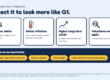
From our vantage point, the country’s fiscal problems will be very difficult to solve without some combination of higher inflation and higher interest rates, and markets will eventually have to price that in. We expect the second half of the year to look more like Q1: a weaker dollar, higher inflation and therefore higher long-term government bond yields, plus renewed attention to valuation in both stocks and bonds. In that environment, we see:
- Renewed strength in precious metals and other assets that tend to benefit from a weaker dollar, which some investors believe includes Bitcoin
- Strong long-term prospects for inflation hedges such as energy, and midstream energy in particular. Pipeline and storage companies typically earn fees on the volume they move, and many of their contracts adjust with inflation.
- Better prospects for value stocks and for global stocks trading at reasonable valuations
As always, these are our views today, and we’ll adjust as the facts change.
Missed our earlier commentary? Read our Q1 2026 Market Commentary

Disclosures
The opinions expressed are those of Eagle Financial Management Services as of 7/24/26 and are subject to change. Forecasts are not guarantees, and actual results may differ materially. This material is for informational purposes only and is not a recommendation to buy or sell any security, including any cryptocurrency. Indexes are unmanaged and cannot be invested in directly. Past performance is no guarantee of future results. Bonds are subject to interest-rate, credit and inflation risk. Investment advice is offered through Wealthcare Advisory Partners, LLC, an SEC-registered investment adviser. Eagle Financial Management Services is a Wealthcare Company.